
What is organic farming
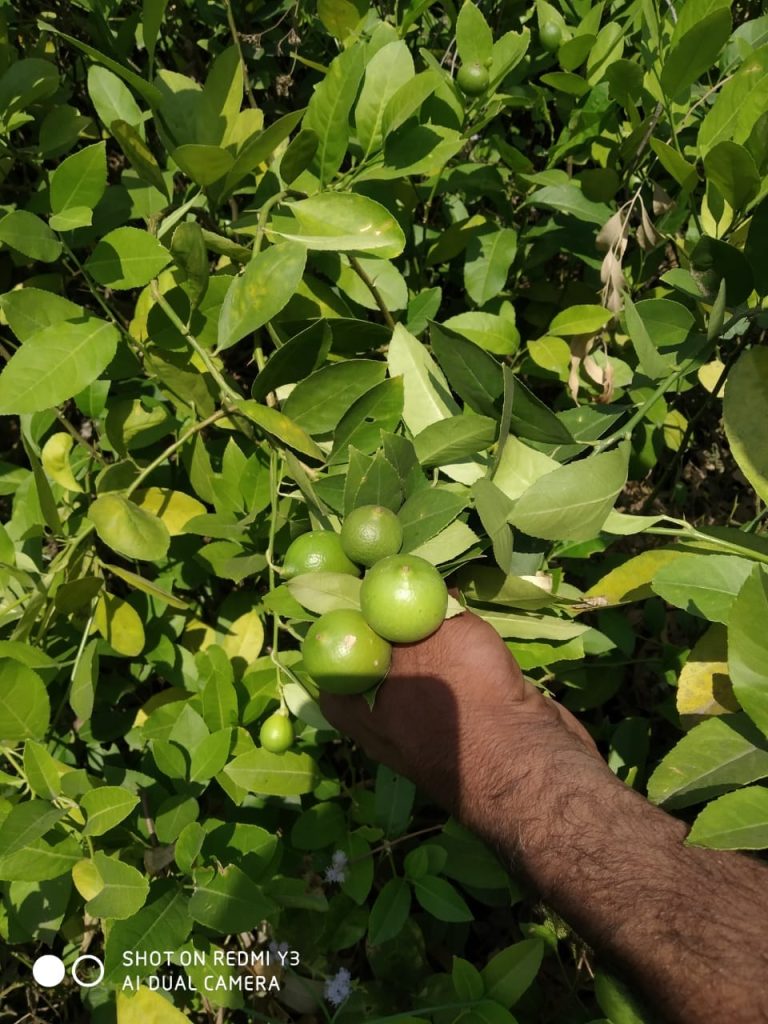
Why organic farming
Organic farming is a natural method of agriculture that avoids chemical fertilizers and pesticides. It focuses on soil health, biodiversity, and long‑term sustainability
Benefits
Healthier soil
Lower input costs
Better crop resilience
Higher market value
Eligibility for carbon credits
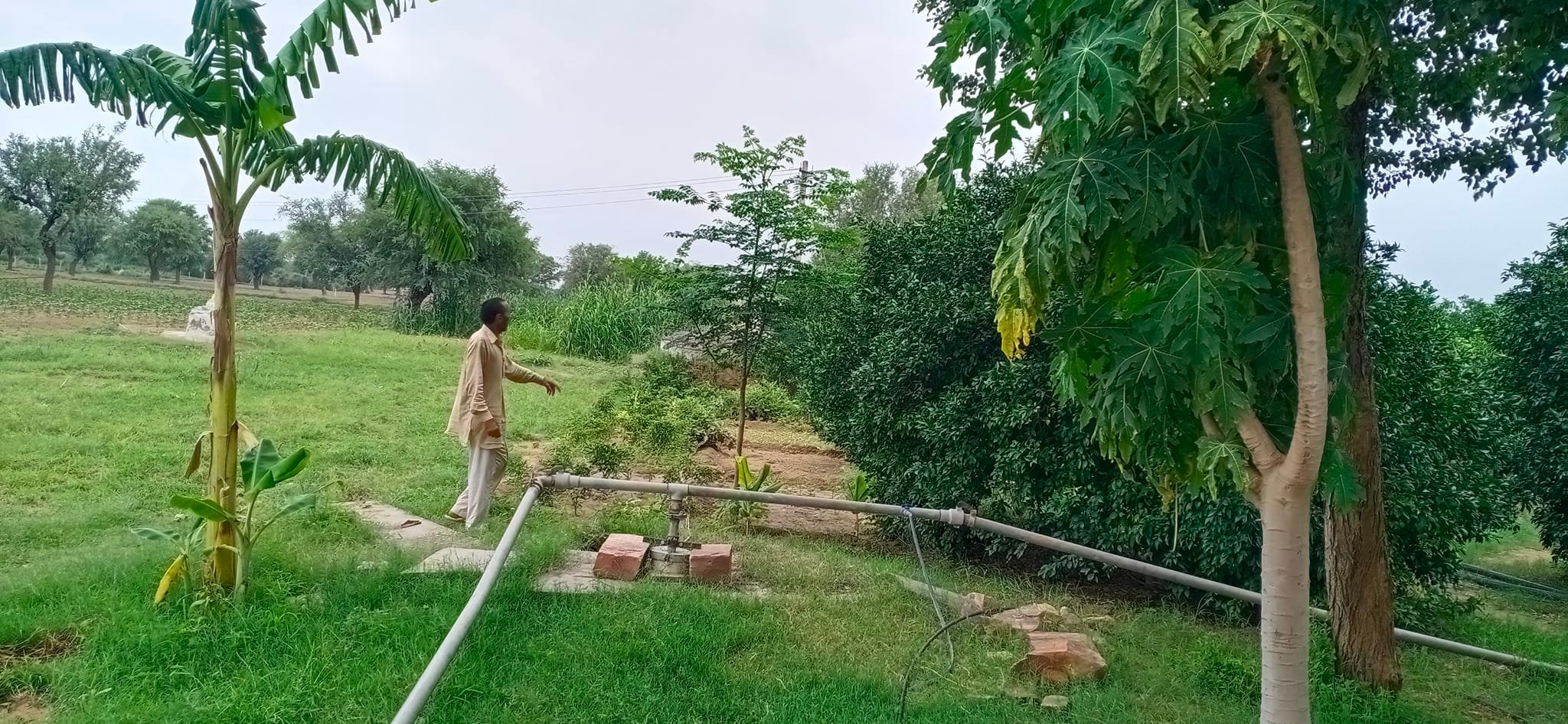
How to do Organic Farming
Step‑by‑Step Guide
1. Soil Preparation
Learn how to enrich soil using compost, cow dung, green manure, and natural amendments.
2. Natural Fertilizers
Use jeevamrut, compost tea, vermicompost, and bio‑fertilizers.
3. Pest Management
Adopt neem oil, pheromone traps, and natural repellents.
4. Water Conservation
Implement drip irrigation, mulching, and rainwater harvesting.
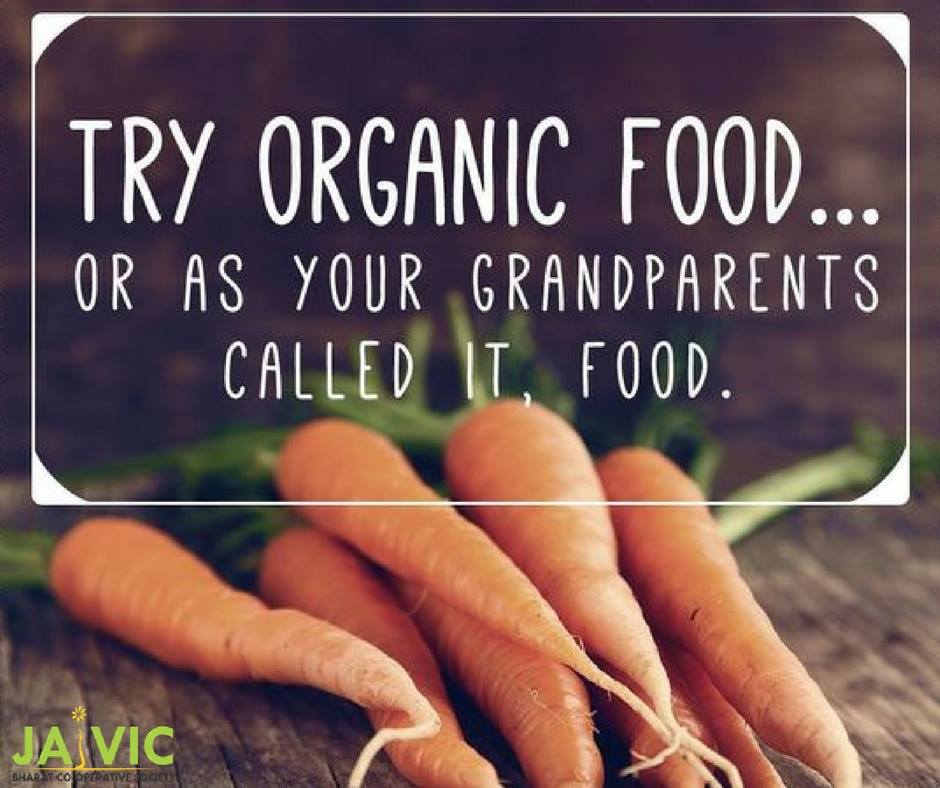
SUSTAINABILITY
Achieve sustainability & earn simultaneously
Soil Health
Healthy soil is the foundation of sustainable farming. Learn how organic matter, microbes, and natural fertilizers improve fertility.
Water Conservation
Techniques like drip irrigation, mulching, and bunding help save water and increase efficiency.
Natural Fertilizers
Replace chemicals with compost, cow dung, green manure, and bio‑fertilizers.
Pest Management
Use natural solutions that protect crops without harming the environment.
Why is food important?
अन्नाद्भवन्ति भूतानि पर्जन्यादन्नसंभवः।
यज्ञाद्भवति पर्जन्यो यज्ञः कर्मसमुद्भवः॥
All beings are sustained by food, food is produced by rain, rain originates from sacrifices (yajna), and sacrifices are born of prescribed actions